Popular Posts

Popular Posts

Pages

Total Pageviews

Wednesday, April 6, 2011

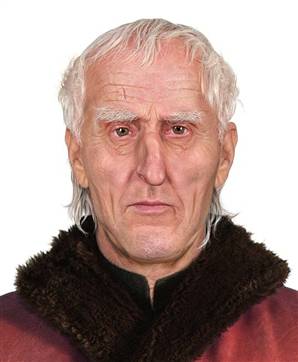
Sushruta ...Founder of Modern Surgery and Medicine

History of Medicine


The historic contribution of Sushruta,(600-500BC) circa the ancient
surgeon of India, is well recognised for his innovative
method of rhinoplasty,1 extracapsular lens extraction in
cataract,2 anal and dental surgeries.3, 4 However, little is
known regarding his vivid description of diabetes
(madhumeha),5 angina (hritshoola) and obesity (medoroga).6
Sushruta was the famous surgeon of Kashi,
Taught and practiced medicine around 600 BCat Kashi He was a disciple of
Correspondence and reprint requests: Dr Shridhar Dwivedi, Department of Medicine/Preventive Cardiology, University, College of Medical Sciences and GTB Hospital, Shahdara, Delhi-110 095, India; E-mail: shridhar.dwivedi@gmail.com.
He was a disciple of Dhanvantri, who is recognised as the God of Medicine in India.He described Diabetes characterised by passing large amounts of urine like urine. He goes on to say that diabetes primarily affects obese people who are sedentary and emphasised the role of physical activity in amelioration of diabetes.
His advice to resort to physical exercise to prevent diabetes holds true even today at a time when we are facing an epidemic of diabetes and coronary artery disease worldwide.DISCOVERY OF THE HEART AND CIRCULATION.


Though the discovery of circulation is attributed to William Harvey; it is interesting to note that Sushruta had the knowledge of a structure like heart and its role in circulation of “vital fluids” through the ‘channels’.
ANGINA PECTORIS AND HYPERTENSION
His vivid account of angina (“hritshoola “ meaning heart pain) is marvellous. According to him angina is chest pain which is precordial, temporary, exertional, emotional, burning like and relieved by rest.
Besides these, he has also described the symptoms of “vatarakta”, which are similar to that of hypertension.
It is remarkable that Sushruta described these conditions, some 150 years before Greek physician Hippocrates


 . He


came to such a near perfect conclusion without


resorting to any kind of biochemical or imaging


procedures which were obviously non-existent at that


point of time.


In this context, it would be worthwhile to explore the


utility of the various plant based formulations


advocated by Sushruta to tackle the problem of


diabetes, angina and atherosclerotic disorders.8


REFERENCES


1. Eisenberg I. A history of rhinoplasty. South Afr Med J 1982;


82: 286-92.


2. Kansupada KB, Sassani JW. Sushruta, the father of Indian


surgery and ophthalmology. Doc Ophthalmol 1997; 93: 159-67.


3. Despande PJ, Sharma KR, Singh LM. Ambulatory treatment


Dhanwantari, who is recognised as the Lord diety of


Ayurveda (science of life) the Indian system of medicine.


The main vehicle of the transmission of knowledge


during that period was by oral method. The language


used was Sanskrit — the vedic language of that period


(2000-500 BC). The most authentic compilation of his


teachings and work is presently available in a treatise


called “Sushruta Samhita”. This contains 184 chapters


and description of 1120 illnesses, 700 medicinal plants,


64 preparations from mineral sources and 57


preparations based on animal sources.7


Sushruta described diabetes (madhumeha) as a disease


characterised by passage of large amount of urine,


sweet in taste, hence the name “madhumeha” — honey


Sushruta–the ancient clinician and teacher par excellence-500 BC


[Indian J Chest Dis Allied Sci 2007; 49: 243-244]


244


of fistula-in-ano: results in 400 cases. Indian J Surg 1975; 37:


85-9.


4. Tewari M, Shukla HS. Sushruta: The father of Indian surgery.


Indian J Surg 2005; 67: 229-30.


5. Krall LP, Levine R, Barnett D. The history of diabetes. In:


Kahn CR, Weir GC, editors Joslin’s Diabetes Mellitus; 13th


edn. Philadelphia: Lea and Feibiger; 1994: pp 1-2.


6. Dwivedi S, Chaturvedi A. Cardiology in ancient India. J


Indian College Cardiol 2000; 1: 8-15.


7. Sharma PV, translator and editor Sushruta Samhita: With


English Translation of Text and Dalhana’s Commentary along


with Critical Notes 3 Vols. Varanasi: Visvabharati; 2001: 24,


1983.


8. Dwivedi S. Putative use of Indian cardiovascular friendly


plants in preventive cardiology. Ann Natl Acad Med Sci


(India) 1996; 32: 159-75.

Tuesday, April 5, 2011

Louis Pasteur...Founder of Pasteurisatio and Anti rabic vaccination

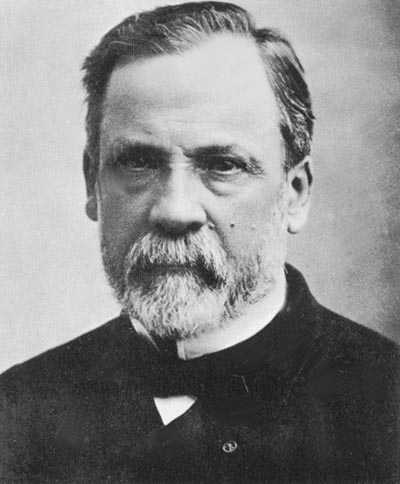
LOUIS PASTEUR
•Born: 27 December 1822


•Birthplace: Dole, Jura, France


•Died: 28 September 1895 (complications from a series of strokes)


•Best Known As: Renowned inventor of pasteurization, Anti Rabic Vaccine and Germ theory of diseases.
Louis Pasteur is the 19th-century biologist and chemist whose work with germs and micro-organisms opened up new fields of scientific inquiry, aided industries (ranging from wine to silk), and made him one of the world's most celebrated scientists. Pasteur became a professor of chemistry at the University of Lille in 1854, and soon began studying fermentation in wine and beer. He became convinced "the germs of microscopic organisms abound in the surface of all objects, in the air and in water." He determined that such micro-organisms could be killed by heating liquid to 55 degrees Celsius (about 130 degrees Fahrenheit) or higher for short periods of time. This simple process became known as pasteurization, a process used today in milk and many other beverages. Pasteur then turned his attention to other aspects of microorganisms. He virtually created the science of immunology, showing that certain diseases (like rabies) could be prevented by vaccination (his term), that is, injecting animals with weakened forms of the disease. So great were Pasteur's successes that an international fund was raised to create the Louis Pasteur Institute in 1888. Pasteur worked with the institute until his death, and it continues today as a center of microbiology and immunology.


Monday, April 4, 2011

Florence Nightingale and Mary Seacole..Founders of Modern Nursing

FLORENCE NIGHTINGALE


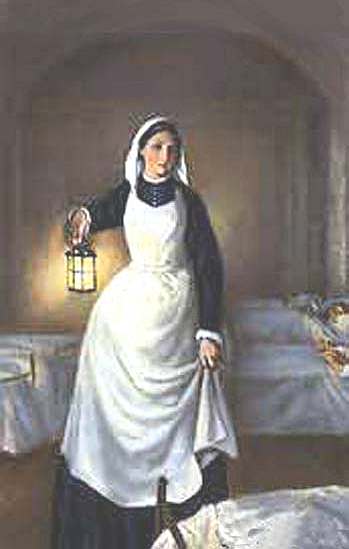
Florence Nightingale, the daughter of the wealthy landowner, William Nightingale of Embly Park, Hampshire, was born in Florence, Italy, on 12th May, 1820. Her father taught her Greek, Latin, French, German, Italian, history, philosophy and mathematics.

Florence refused to marry several suitors, and at the age of twenty-five told her parents she wanted to become a nurse. Her parents were totally opposed to the idea as nursing was associated with working class women.

Florence's desire to have a career in medicine was reinforced when she met Elizabeth Blackwell at St. Bartholomew's Hospital in London. Blackwell was the first woman to qualify as a doctor in the United States. Blackwell, who had to overcome considerable prejudice to achieve her ambition, encouraged her to keep trying and in 1851 Florence's father gave her permission to train as a nurse.

Florence, now thirty-one, went to Kaiserwerth, Germany where she studied to become a nurse at the Institute of Protestant Deaconesses. Two years later she was appointed resident lady superintendent of a hospital for invalid women in Harley Street, London.


In March, 1853, Russia invaded Turkey. Britain and France, concerned about the growing power of Russia, went to Turkey's aid. This conflict became known as the Crimean War. Soon after British soldiers arrived in Turkey, they began going down with cholera and malaria. Within a few weeks an estimated 8,000 men were suffering from these two diseases.

Nightingale volunteered her services and was eventually given permission to take a group of thirty-eight nurses to Turkey.

Nightingale found the conditions in the army hospital in Scutari appalling. The men were kept in rooms without blankets or decent food. Unwashed, they were still wearing their army uniforms that were "stiff with dirt and gore".

Military officers and doctors objected to Nightingale's views on reforming military hospitals. , Nightingale was given the task of organizing the barracks hospital after the battle of Inkerman and by improving the quality of the sanitation she was able to dramatically reduce the death-rate of her patients.

Unwilling to accept defeat, Mary Seacole started up a business called the British Hotel, a few miles from the battlefront. Here she sold food and drink to the British soldiers. With the money she earned from her business Mary was able to finance the medical treatment she gave to the soldiers.
Illustrated London News (24th February, 1855)


Whereas Florence Nightingale and her nurses were based in a hospital several miles from the front, Mary Seacole treated her patients on the battlefield. On several occasions she was found treating wounded soldiers from both sides while the battle was still going on.

In 1856 Florence Nightingale returned to England as a national heroine. In October, 1856, she had a long interview with Queen Victoria and Prince Albert and the following year gave evidence to the 1857 Sanitary Commission. This eventually resulted in the formation of the Army Medical College.

Women such as Elizabeth Garrett Anderson and Sophia Jex-Blake were disappointed by Nightingale's lack of support for women's doctors. Nightingale had doubts at first about the wisdom of this campaign and argued that it was more important to have better trained nurses than women doctors.

In later life Florence Nightingale suffered from poor health and in 1895 went blind. Soon afterwards, the loss of other faculties meant she had to receive full-time nursing. Although a complete invalid she lived another fifteen years before her death in London on 13th August, 1910.


Sunday, April 3, 2011

Louis Psteur...Discovred innoculatio against Rabies and Diptheri

Louis Pasteur
If one were to choose among the greatest benefactors of humanity, Louis Pasteur would certainly rank at the top. He solved the mysteries of rabies, anthrax, chicken cholera, and silkworm diseases, and contributed to the development of the first vaccines.
  He is revered for possessing the most important qualities of a scientist: the ability to survey all the known data and link the data for all possible hypotheses, the patience and drive to conduct experiments under strictly controlled conditions, and the brilliance to uncover the road to the solution from the results.

The pattern of logic in Pasteur's scientific career and the brilliance of his experimental method are well documented. . He  hypothesized that this molecular asymmetry is one of the mechanisms of life. In other words, living organisms only produce molecules that are of one specific orientation, and these molecules are always optically active.

. Later in his career, he was approached with a contamination problem in alcoholic fermentation, which was thought to be an entirely chemical process at the time. After careful examination, he found that the fermenting solution contained optically active compounds and concluded that fermentation was a biological process carried out by microorganisms. This hypothesis, called the germ theory, was followed by many elegant experiments that showed unequivocally the existence of microorganisms and their effect on fermentation.

The germ theory was the foundation of numerous applications, such as the large scale brewing of beer, wine-making, pasteurization, and antiseptic operations. Another significant discovery facilitated by the germ theory was the nature of contagious diseases. Pasteur's intuited that if germs were the cause of fermentation, they could just as well be the cause of contagious diseases. This proved to be true for many diseases such as potato blight, silkworm diseases, and anthrax. After studying the characteristics of germs and viruses that caused diseases, he and others found that laboratory manipulations of the infectious agents can be used to immunize people and animals. The discovery that the rabies virus had a lag-time before inducing disease prompted the studies of post-infection treatment with weakened viruses. This treatment proved to work and has saved countless lives.

Today we use genetically produced antirabic serum.Vaccinations and Innoculatons have become a routine after birt, Children are vaccinated aginst diptheria, chicken pox and tetsnus. They are also immunised against measles, typhoid,tuberculosis and a host of other diseases.


.


Saturday, April 2, 2011

EDWARD JENNER...Father of vaccinations and innoculations

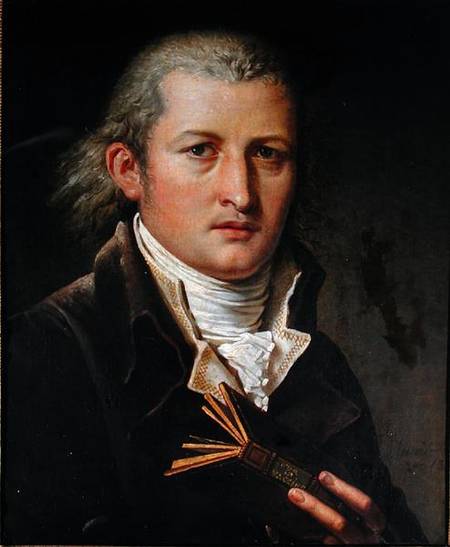
EDWARD JENNER (1749-1823)


Showing Jenner transferring pus from the hands of someone infected with cowpox into scratches in the skin of a young boy.
SO, WHO WAS EDWARD JENNER?
Edward Jenner was an English country doctor who pioneered vaccination. Jenner's discovery in 1796 that inoculation with cowpox gave immunity to smallpox, was an immense medical breakthrough and has saved countless lives.


Edward Jenner was born on May 17 1749 in the small village of Berkeley in Gloucestershire.After completing his studies, he returned to Berkeley to set up a medical practice where he stayed until his death in 1823.
----------------------------------------------------------------------------


HOW DID EDWARD JENNER DISCOVER VACCINATION?
1)Jenner worked in a rural community and most of his patients were farmers or worked on farms with cattle. In the 18th century smallpox was a very common disease and was a major cause of death.

In 1788 an epidemic of smallpox hit Gloucestershire and during this outbreak Jenner observed that those of his patients who worked with cattle and had come in contact with the much milder disease called cowpox never came down with smallpox. Jenner needed a way of showing that his theory actually worked.

Jenner was given the opportunity on the 14 May 1796, when a young milkmaid called Sarah Nelmes came to see him with sores on her hands like blisters. Jenner identified that she had caught cowpox from the cows she handled each day.
Jenner now had the opportunity to obtain the material try out his theories. He carefully extracted some liquid from her sores and then took some liquid from the sores of a patient with mild smallpox.
Jenner believed that if he could inject someone with cowpox, the germs from the cowpox would make the body able to defend itself against the dangerous smallpox germs which he would inject later.
Jenner approached a local farmer called Phipps and asked him if he could inoculate his son James against smallpox. He explained to the farmer that if his theory was correct, James would never contract smallpox. Surprisingly, the farmer agreed.
Jenner made two small cuts on James's left arm. He then poured the liquid from Sarah's cowpox sores into the open wounds which he bandaged.

James went down with cowpox but was not very ill. Six weeks later when James had recovered, Jenner vaccinated him again, this time with the smallpox virus.


To Jenner's relief James did not catch smallpox. His experiment had worked.
In 1798 after carrying out further successful tests, he published his findings: An Inquiry into the Causes and Effects of the Variolae Vaccinae, a Disease Known by the Name of Cow Pox. Jenner called his idea " vaccination" from the word vaccinia which is latin for cowpox. Jenner also introduced the term virus.


' The Cow Pock or the wonderful effect of the new inoculation '. From an etching by James Gillray (1757-1815), illustrating some of the ridiculous ideas being circulated by opponents of Jenner's work.


Photo, Wellcome Historical Museum.


However, Jenner persevered and eventually, doctors found that vaccination did work and by 1800 most were using it. Jenner was awarded £30 000 by Parliament to enable him to continue carrying out his tests. Deaths from smallpox plummeted and vaccination spread through Europe and North America.


Jenner died in Berkeley on January 26, 1823 aged 74.


Friday, April 1, 2011

Copernicu..Father of Astrnomy.

Nicolas Copernicus


(1473-1543)

Copernicus is said to be the founder of modern astronomy. He was born in Poland,1 and eventually was sent off to Cracow University, there to study mathematics and optics; at Bologna, canon law. Returning from his studies in Italy, Copernicus, was appointed as a canon in the cathedral of Frauenburg where he spent a sheltered and academic life for the rest of his days. Because of his clerical position, Copernicus moved in the highest circles of power; but a student he remained. His interest in astronomy gradually grew to be one in which he had a primary interest. His investigations were carried on quietly and alone,"bare eyeball," so to speak, as a hundred more years were to pass before the invention of the telescope. In 1530, Copernicus completed and gave to the world his great work De Revolutionibus, which asserted that the earth rotated on its axis once daily and traveled around the sun once yearly: a fantastic concept for the times. Up to the time of Copernicus the thinkers of the western world believed in the Ptolemiac theory that the universe was a closed space bounded by a spherical envelope beyond which there was nothing.
 Copernicus' work might not have ever reached the printing press if it had not been for a young man who sought out the master in 1539. George Rheticus was a 25 year old German mathematics professor who was attracted to the 66 year old cleric, having read one of his papers. Intending to spend a few weeks with Copernicus, Rheticus ended up staying as a house guest for two years, so fascinated was he with Copernicus and his theories. Now, up to this time, Copernicus was reluctant to publish, -- not so much that he was concerned with what the church might say about his novel theory (De Revolutionibus was placed on the Index in 1616 and only removed in 1835), but rather because he was a perfectionist and he never thought, even after working on it for thirty years, that his complete work was ready, -- there were, as far as Copernicus was concerned, observations to be checked and rechecked.
Copernicus died in 1543 and was never to know what a stir his work had caused. It went against the philosophical and religious beliefs that had been held during the medieval times. Man, it was believed (and still believed by some) was made by God in His image, man was the next thing to God, and, as such, superior, especially in his best part, his soul, to all creatures, indeed this part was not even part of the natural world (a philosophy which has proved disastrous to the earth's environment as any casual observer of the 20th century might confirm by simply looking about). Copernicus' theories might well lead men to think that they are simply part of nature and not superior to it and that ran counter to the theories of the politically powerful churchmen of the time.

"Of all discoveries and opinions, none may have exerted a greater effect on the human spirit than the doctrine of Copernicus. The world had scarcely become known as round and complete in itself when it was asked to waive the tremendous privilege of being the center of the universe. Never, perhaps, was a greater demand made on mankind - for by this admission so many things vanished in mist and smoke! What became of our Eden, our world of innocence, piety and poetry; the testimony of the senses; the conviction of a poetic - religious faith? No wonder his contemporaries did not wish to let all this go and offered every possible resistance to a doctrine which in its converts authorized and demanded a freedom of view and greatness of thought so far unknown, indeed not even dreamed of." [Goethe.]

Nicholas Coperniicus.

__________________________

Thursday, March 31, 2011

Gregor Mendel..a homge to a genius: Father of Genetics

WHO WAS GREGOR MENDEL?

Gregor Johann MENDEL was an Austrian monk and biologist whose work on heredity became the basis of the modern theory of genetics.
Mendel was born on July 22, 1822 in Heizendorf, Austria, (now known as Hyncice in Czechoslovakia). He was born Johann Mendel into a poor farming family. At that time it was difficult for poor families to obtain a good education and the young Mendel saw the only way to escape a life of poverty was to enter the monastery at Brunn in Moravis, (now Brno in Czechoslovakia). Here he was given the name Gregor. This monastery was the Augustinian Order of St Thomas, a teaching order with a reputation as a centre of learning and scientific enquiry.
-----------------------------------------------------------------------------
MENDEL THE FAILURE
To enable him to further his education, the abbot arranged for Mendel to attend the University of Vienna to get a teaching diploma. However, Mendel did not perform well. He was nervous and the University did not consider him a clever student. Mendel's examiner failed him with the comments, " he lacks insight and the requisite clarity of knowledge". This must have been devastating to the young Mendel. who in 1853 had to return to the monastery as a failure. As this was a teaching order, Mendel had to decide whether to stay on at the monastery as a failed teacher - or return to what?
------------------------------------------------------------------------------
WHAT TO DO NEXT?
While studying in Vienna, Mendel had been impressed by the work of a biologist called Frank Unger whose practical view of inheritance, free from spiritual influences, seemed to reflect his own farming background. This gave Mendel the idea to stay on at the monastery and use his time to carry out practical experiments in biology. He must have had to approach the abbot very carefully to ask to be allowed to do this, as the bishop refused to allow the monks to even teach biology.

After about two years Mendel began his investigation into variation, heredity and evolution in plants. He chose to study in detail the common garden pea, Pisum, which he grew in the monastery garden.
Between 1856 and 1863 Mendel patiently cultivated and tested at least 28 000 pea plants, carefully analysing seven pairs of seeds for comparison, such as shape of seed, colour of seed, tall stemmed and short stemmed and tall plants and short plants. Mendel worked on this for several years, carefully self-pollinating and wrapping each individual plant to prevent accidental pollination by insects. He collected the seeds produced by the plants and studied the offspring of these seeds observing that some plants bred true and others not. Mendel discovered that by crossing tall and short parent plants he got hybrid offspring that resembled the tall parent rather than being a medium height blend. He explained this conceived the concept of heredity units, now called genes. These often expressed dominant or recessive characteristics. He then worked out the pattern of inheritance of various traits and produced two generalisations that became known as the laws of heredity. Mendel's observations led him to coin two terms which are still used in present-day genetics:
* dominance for a trait that shows up in an offspring.
* recessiveness for a trait masked by a dominant gene.
--------------------------------------------------------------------------------
WHAT HAPPENED NEXT?
In 1866 Mendel published his work on heredity in the Journal of the Brno Natural History Society. It had absolutely no impact. The complex and detailed work he had produced was not understood even by influential people in his field such as Karl Nageli. If Mendel had been a professional scientist he might have been able to project his work more extensively and perhaps publish his work abroad. He did make some attempt to contact scientists abroad by sending them reprints of his work but this was a uphill struggle for an unknown author writing in an unknown journal.

1868 two years after Mendel had produced his paper he was elected abbot of the monastery and his work lay unrecognised for about 34 years.

For much of the remainder of his life, Mendel devoted himself to the duties of the monastery. He did continue with some breeding experiments, this time with bees. A natural progression, as he had always wanted to transfer his experiments from plants to animals. Mendel successfully produced a hybrid strain of bees which produced excellent honey, however, they were so vicious they stung everybody around for miles and had to be destroyed. Some of Mendel's later experiments with the hawkweed Hieracium were inconclusive and the pressures of running the monastery took over so he ended his experiments by the 1870's.

During his time as abbot Mendel seems to have been more concerned with the financial running of the monastery rather than the religious side. It is suggested Mendel was seen as unreliable by the Emperor's Secret Police. It is likely the bishop and many in the monastery did not like what Mendel was doing, particularly his interest and enthusiasm for the work of such contemporaries as Charles Darwin.

When Mendel died in 1884 aged 62, the Czech composer Leos Janacek played the organ at his funeral.

The new abbot of the monastery burned all Mendel's papers.
--------------------------------------------------------------------------------

MENDEL RE-DISCOVERED
In 1900 Mendel's work was at last recognised by three independent investigators. One of these being the Dutch botanist, Hugo De Vries. But it was still not until the early 1920s and early 1930s that the full significance of his work was recognised particularly in relation to evolutionary theory. As a result of years of research in population genetics, investigators were able to demonstrate that the Darwinian theory of evolution could be described in terms of the change in gene frequency of Mendelian pairs of characteristics in a population over successive generations.


Gregor Mendel

Wednesday, March 30, 2011

Captain Lakshmi and the Rani of Jhansi Regiment.

The Rani of Jhansi Regiment was the Women's Regiment of the Indian National Army, the armed force formed by Indian nationalists in 1942 in Southeast Asia with the aim of overthrowing the British Raj in colonial India, with Japanese assistance. Led by Capt Lakshmi Swaminathan, the unit was raised in July 1943 with volunteers from the expatriate Indian population in South East Asia.

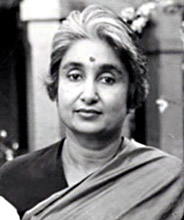
Captain Lakshmi is still alive and my mothers cousin sisters daughter.

Sahgal was born as Lakshmi Swaminathan, daughter of Dr S. Swaminathan, a leading lawyer practising Criminal Law at Madras High Court. Her mother was A.V. Ammukutty, better known as Ammu Swaminathan, a social worker and freedom fighter and hailed from the famous Vadakkath family of Anakkara in Palghat, Kerala. A.V. Kutty Malu Amma was another well known freedom fighter from the same family.

Ms.A.V.Lakshmi Sehgal 


Monday, March 28, 2011

Discovery of the Microscope.

Birth of the Light Microscope

About 1590, two Dutch spectacle makers, Zaccharias Janssen and his son Hans, while experimenting with several lenses in a tube, discovered that nearby objects appeared greatly enlarged. That was the forerunner of the compound microscope and of the telescope. In 1609, Galileo, father of modern physics and astronomy, heard of these early experiments, worked out the principles of lenses, and made a much better instrument with a focusing device.
Anton van Leeuwenhoek (1632-1723)
The father of microscopy, Anton van Leeuwenhoek of Holland, started as an apprentice in a dry goods store where magnifying glasses were used to count the threads in cloth. He taught himself new methods for grinding and polishing tiny lenses of great curvature which gave magnifications up to 270 diameters, the finest known at that time. These led to the building of his microscopes and the biological discoveries for which he is famous. He was the first to see and describe bacteria, yeast plants, the teeming life in a drop of water, and the circulation of blood corpuscles in capillaries. During a long life he used his lenses to make pioneer studies on an extraordinary variety of things, both living and non living, and reported his findings in over a hundred letters to the Royal Society of England and the French Academy.

Robert Hooke
Robert Hooke, the English father of microscopy, re-confirmed Anton van Leeuwenhoek's discoveries of the existence of tiny living organisms in a drop of water. Hooke made a copy of Leeuwenhoek's light microscope and then improved upon his design.
R.Hooke also gave the name CELL to a basic unit of all living organisms, after seeing empty spaces is a slice of cork

Charles A. Spencer
Later, few major improvements were made until the middle of the 19th century. Then several European countries began to manufacture fine optical equipment but none finer than the marvelous instruments built by the American, Charles A. Spencer, and the industry he founded. Present day instruments, changed but little, give magnifications up to 1250 diameters with ordinary light and up to 5000 with blue light.

Sunday, March 27, 2011

April Fools Day

Unlike most of the other nonfoolish holidays, the history of April Fool's Day, sometimes called All Fool's Day, is not totally clear. It is not like Halloween, where despite an interesting history, most people just put on Halloween costumes, get candy, and leave it at that. There really wasn't a "first April Fool's Day" that can be pinpointed on the calendar. Some believe it sort of evolved simultaneously in several cultures at the same time, from celebrations involving the first day of spring.
The closest point in time that can be identified as the beginning of this tradition was in 1582, in France. Prior to that year, the new year was celebrated for eight days, beginning on March 25. The celebration culminated on April 1. With the reform of the calendar under Charles IX, the Gregorian Calendar was introduced, and New Year's Day was moved to January 1.
 However, communications being what they were in the days when news traveled by foot, many people did not receive the news for several years. Others, the more obstinate crowd, refused to accept the new calendar and continued to celebrate the new year on April 1. These backward folk were labeled as "fools" by the general populace. They were subject to some ridicule, and were often sent on "fools errands" or were made the butt of other practical jokes.
This harassment evolved, over time, into a tradition of prank-playing on the first day of April. The tradition eventually spread to England and Scotland in the eighteenth century. It was later introduced to the American colonies of both the English and French. April Fool's Day thus developed into an international fun fest, so to speak, with different nationalities specializing in their own brand of humor at the expense of their friends and families.
In Scotland, for example, April Fool's Day is actually celebrated for two days. The second day is devoted to pranks involving the posterior region of the body. It is called Taily Day. The origin of the "kick me" sign can be traced to this observance.
Mexico's counterpart of April Fool's Day is actually observed on December 28. Originally, the day was a sad remembrance of the slaughter of the innocent children by King Herod. It eventually evolved into a lighter commemoration involving pranks and trickery.
Pranks performed on April Fool's Day range from the simple, (such as saying, "Your shoe's untied, or I accidentally stepped on your glasses!), to the elaborate. Setting a roommate's alarm clock back an hour is a common gag. Whatever the prank, the trickster usually ends it by yelling to his victim, "April Fool!"
Practical jokes are a common practice on April Fool's Day. Sometimes, elaborate practical jokes are played on friends or relatives that last the entire day. The news media even gets involved. For instance, a British short film once shown on April Fool's Day was a fairly detailed documentary about "spaghetti farmers" and how they harvest their crop from the spaghetti trees.
April Fool's Day is a "for-fun-only" observance. Nobody is expected to buy gifts or to take their "significant other" out to eat in a fancy restaurant. Nobody gets off work or school. It's simply a fun little holiday, but a holiday on which one must remain forever vigilant, for he may be the next April Fool!